


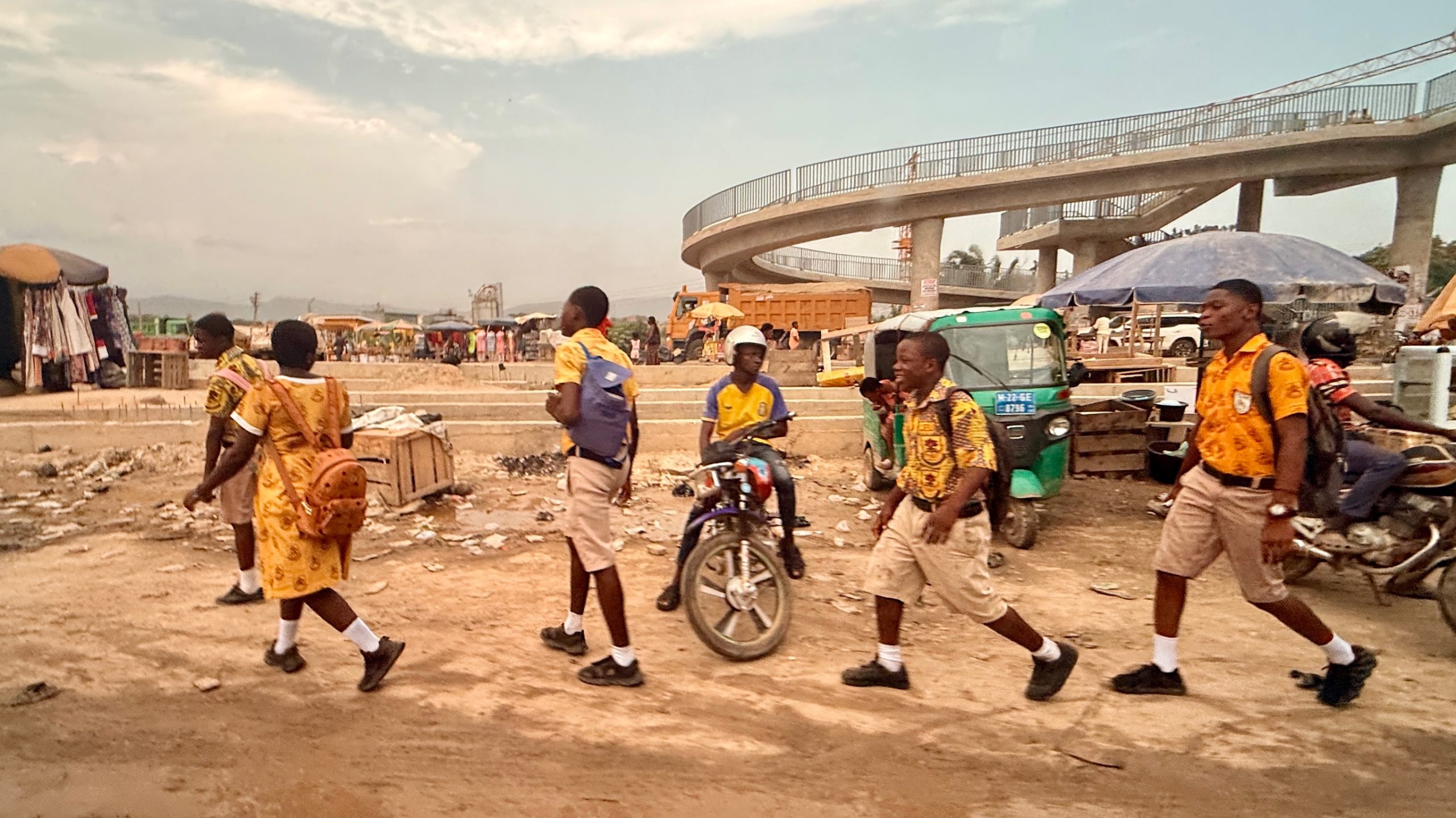
In April 2026, fair equity travelled to Ghana for the third time. The trip had two objectives: to review the three completed investments on the ground and to get to know potential new investments. Here is a summary of the most important impressions.
Trip Framework
In April 2026, a delegation of nine people travelled through Ghana for a week – from Accra via Kumasi and Suhum to Tamale and Bawku. For the first time, several supporters of fair equity also joined the trip, wanting to see the financed companies for themselves on site.
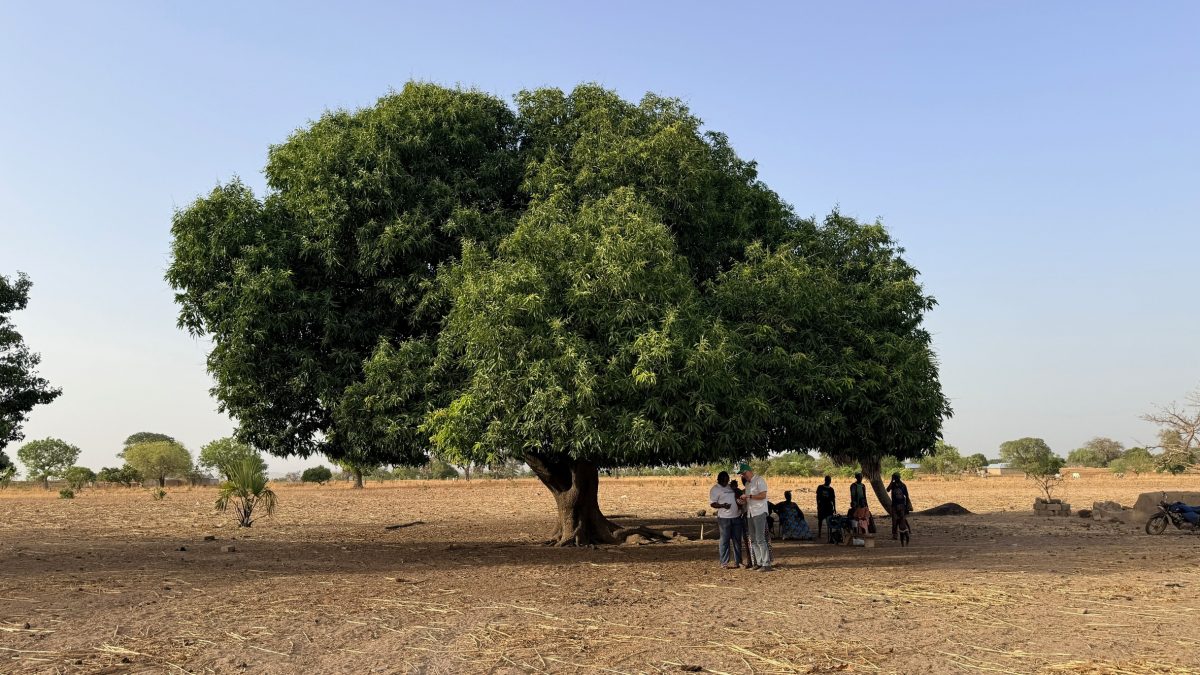
Bert Mutsaers and Lutz Hethey visiting the IDEAS social project in Bawku
Lutz Hethey and Bert Mutsaers extended their stay specifically to travel onward to Bawku in northern Ghana, on the border with Burkina Faso. There they visited the agricultural social project IDEAS, which fair equity has been supporting with 10,000 euros annually since last year.
The programme also included a meeting with the German ambassador Frederik Landshöft, as well as ten conversations with start-ups – three of which were visited on site. This had been preceded in February 2026 by an open Call for Applications: within two weeks, we received over 60 applications from the fields of Food and Agriculture, Health and Education, from which we selected ten companies for in-depth conversations.
Status of the Three Investments
In just one year, we have completed three very different investments – in profile and instrument: equity, loan and convertible bond are all represented. Medpharma is a classic tech venture case; fairafric, with more than 280 employees, has long been a defining mid-sized company of an entire region; Skin Gourmet is still at the very beginning. As a sign of our partnership, we presented all three with a fair equity rocket.
Medpharma
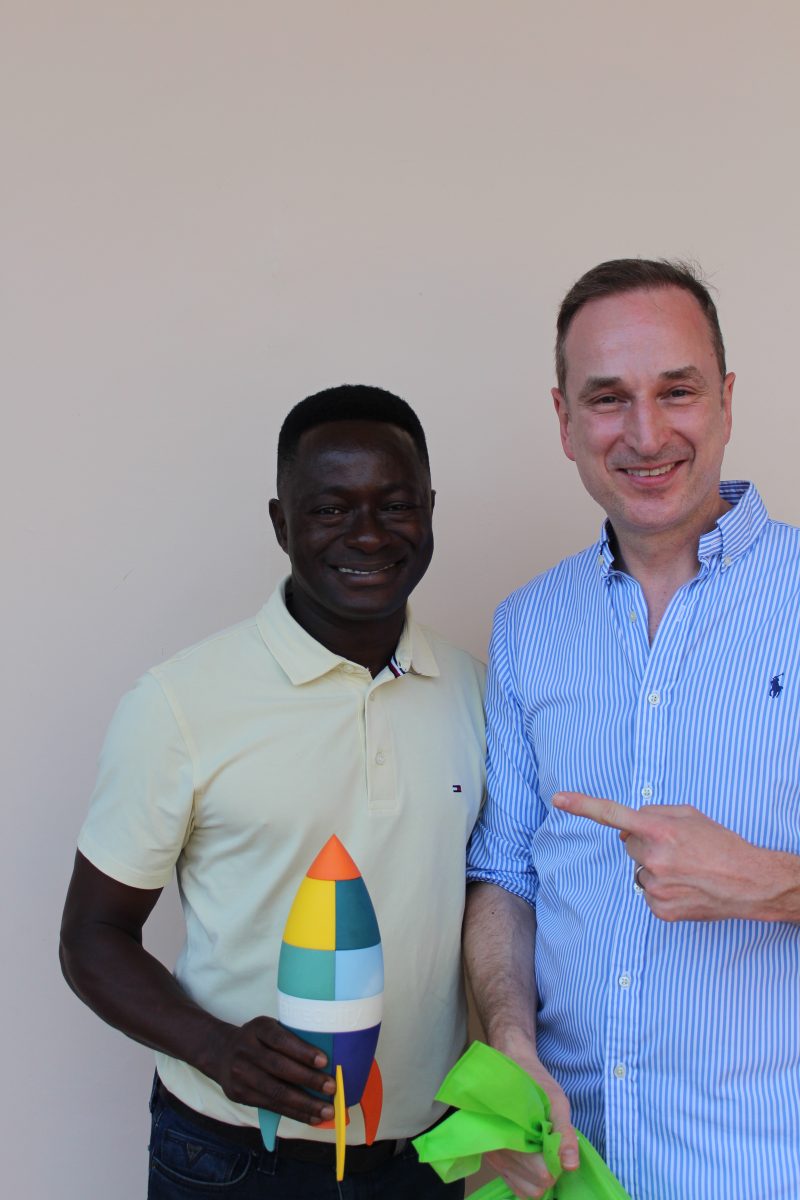
Medpharma with founder Yaw Asamoah & Karsten Wulf
Medpharma combines online consultations, medication delivery and AI-supported diagnostics in one app. fair equity invested 250,000 US dollars in November 2025; further investors have joined since then.
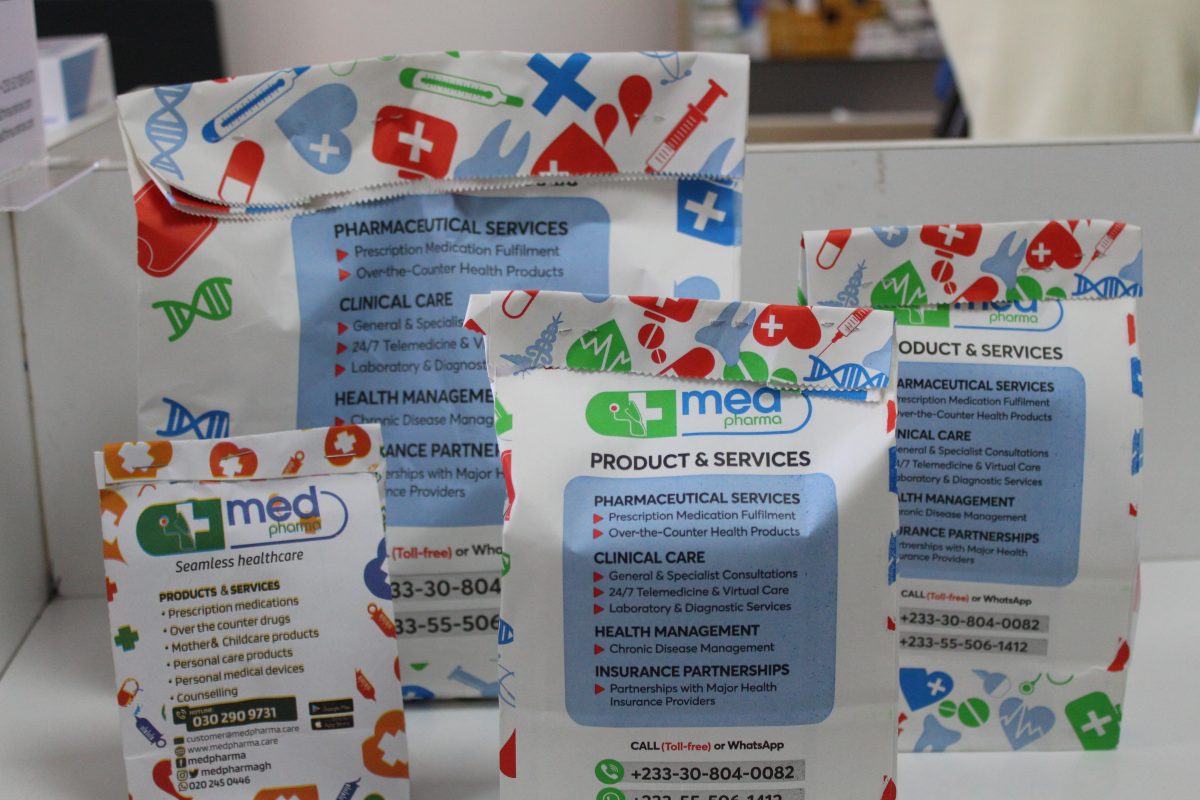
Medpharma Fulfillment Center
During our visit, founder Stephen Yaw Asamoah showed us the entire operation for the first time and presented their proprietary diagnostic AI. It is trained locally – on West African disease patterns as well as on local languages. It currently runs in Ghanaian Pidgin English; next will be Twi, which is spoken by around half of the population. There are more than 80 other languages used in everyday life in the country. The AI independently recognises emergencies and refers patients directly to a doctor or emergency services.
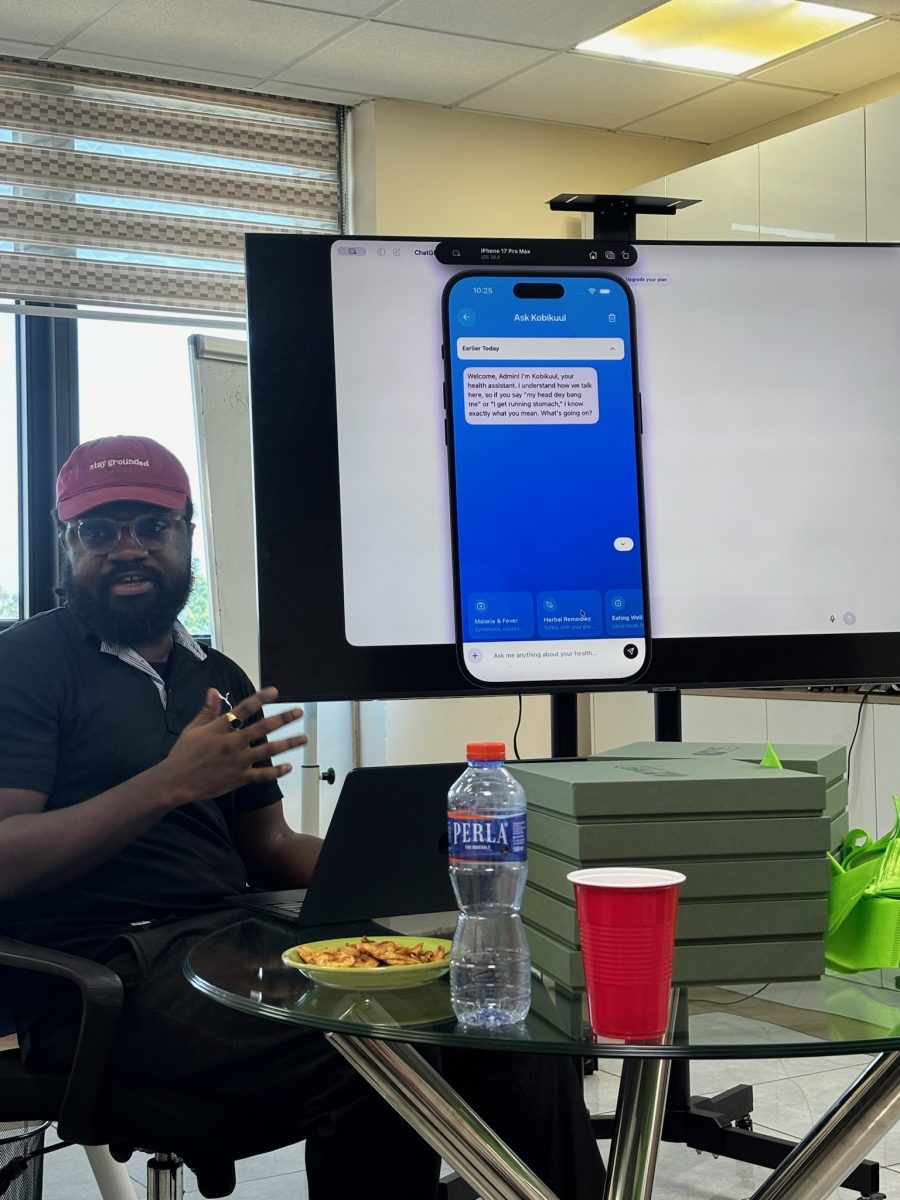
Medpharma presents their AI
fairafric
fairafric produces organic chocolate “bean to bar” entirely in Ghana. The facility in Suhum, an hour northeast of Accra, today employs over 280 people and produces using solar power from its own roof. fair equity signed the second investment in January 2026. During the visit, the team showed us the factory as well as the concrete plans for the next expansion stage.
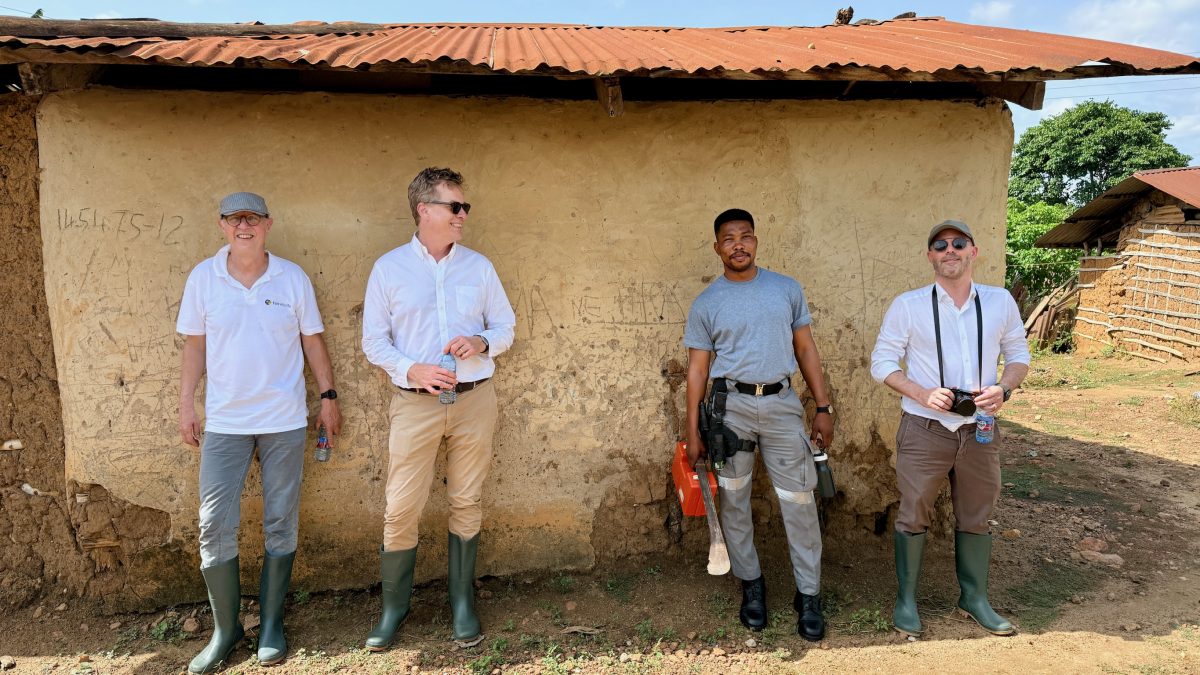
Lutz Hethey, Bernd Schmidt-Ankum and supporter Max Gantenbrink visiting a fairafric cocoa farm
Skin Gourmet
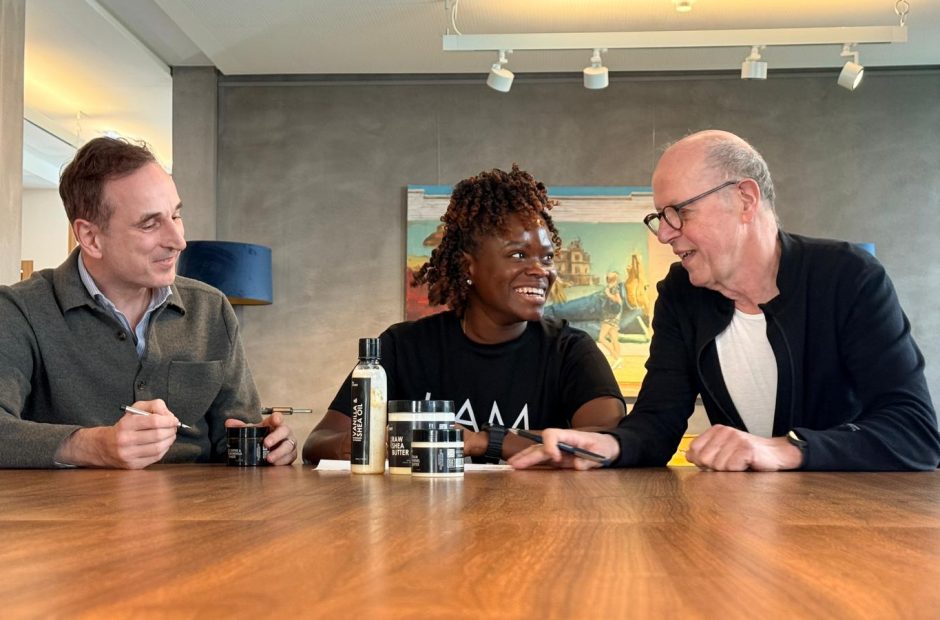
Skin Gourmet, founded by Violet Amoabeng, produces plant-based skin care in Accra with the goal of keeping the value creation of important cosmetic raw materials in their countries of origin. Distribution takes place in over 30 countries; a cooperative of 113 women from northern Ghana now supplies the shea butter with organic certification.
Violet herself was at two trade fairs in Paris during our visit. Her team guided us through the range and invited us to a tasting – the ingredients are not only skin-friendly, but edible: coffee, lemonade, traditional pastries and popcorn. The next major task is European expansion with corresponding certification and product specialisation for this market.
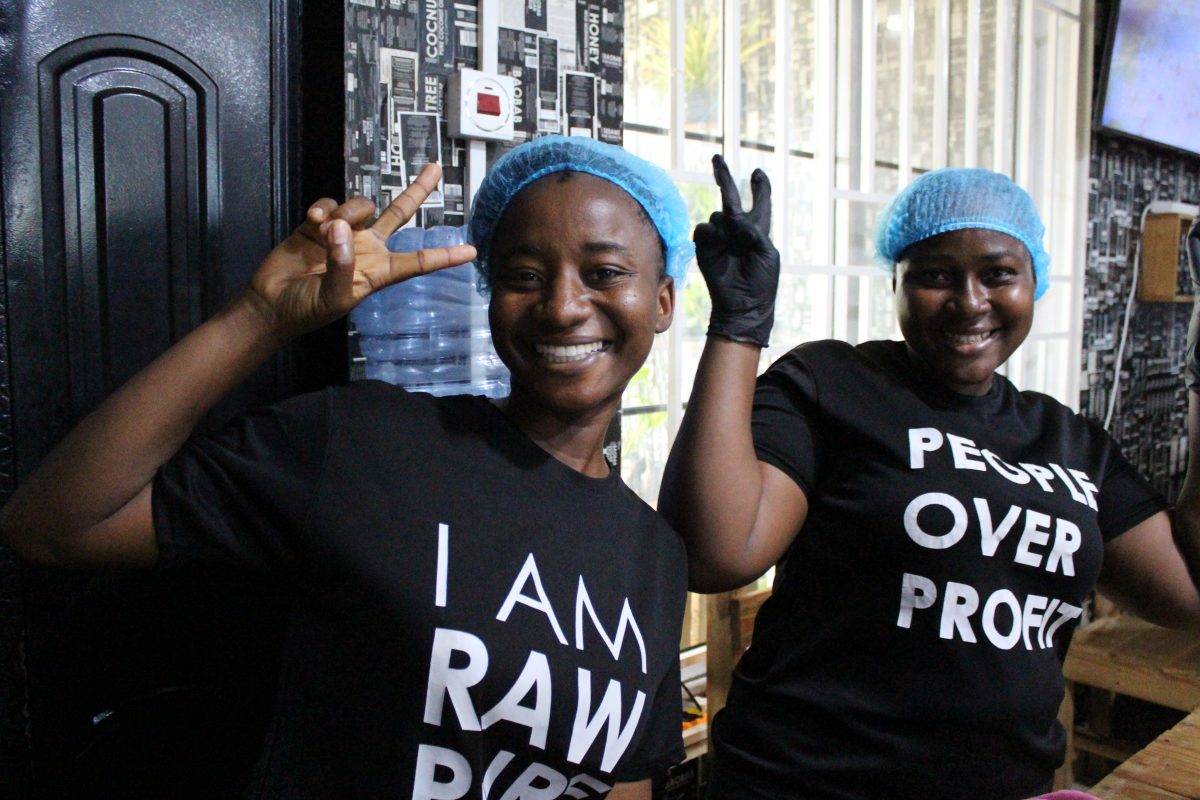
Skin Gourmet Team
The New Pipeline
When we issued the Call for Applications in February, we had not expected this kind of response. But capital is scarce in Africa – less than one percent of global venture capital flows to the continent. Calls like this spread quickly. After strategic filtering, consultation with our advisors on the ground and references obtained, we invited ten companies for interviews – and visited three of them.
Rivia Clinics
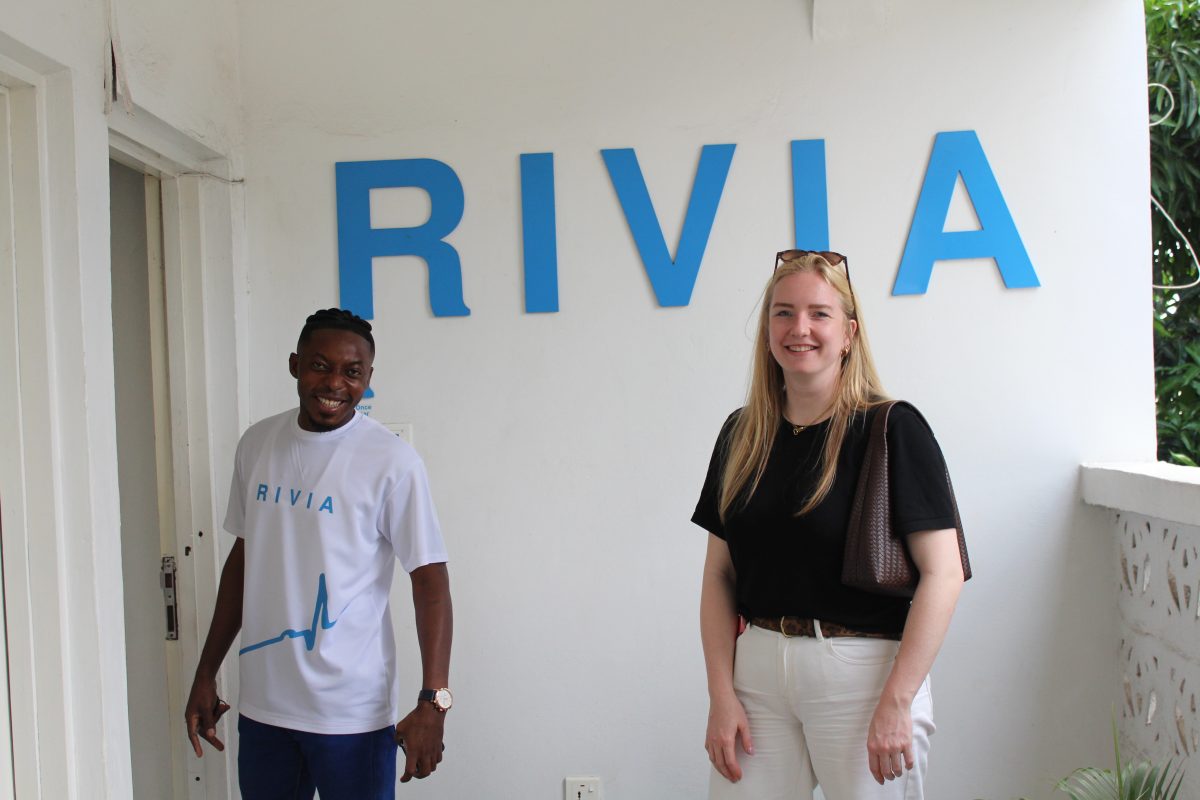
Vanessa Ennen and Isidore Kpotufe (founder of Rivia Clinics)
Rivia Clinics wants to rethink health care in Ghana. Founder Isidore Kpotufe is already on his third venture with Rivia. The background: everyday medical care in Ghana usually does not take place in hospitals, but in so-called “Clinics” – often poorly equipped and unreliably insured. Rivia addresses both points: it franchises its own clinics with modern equipment and a uniform digital backend, and in parallel sells health care packages to companies. These pay an annual flat rate per employee; with their membership, employees can walk into any Rivia Clinic and be treated without an application or waiting time. A detail that closes the loop: Skin Gourmet was one of Rivia’s first corporate customers.
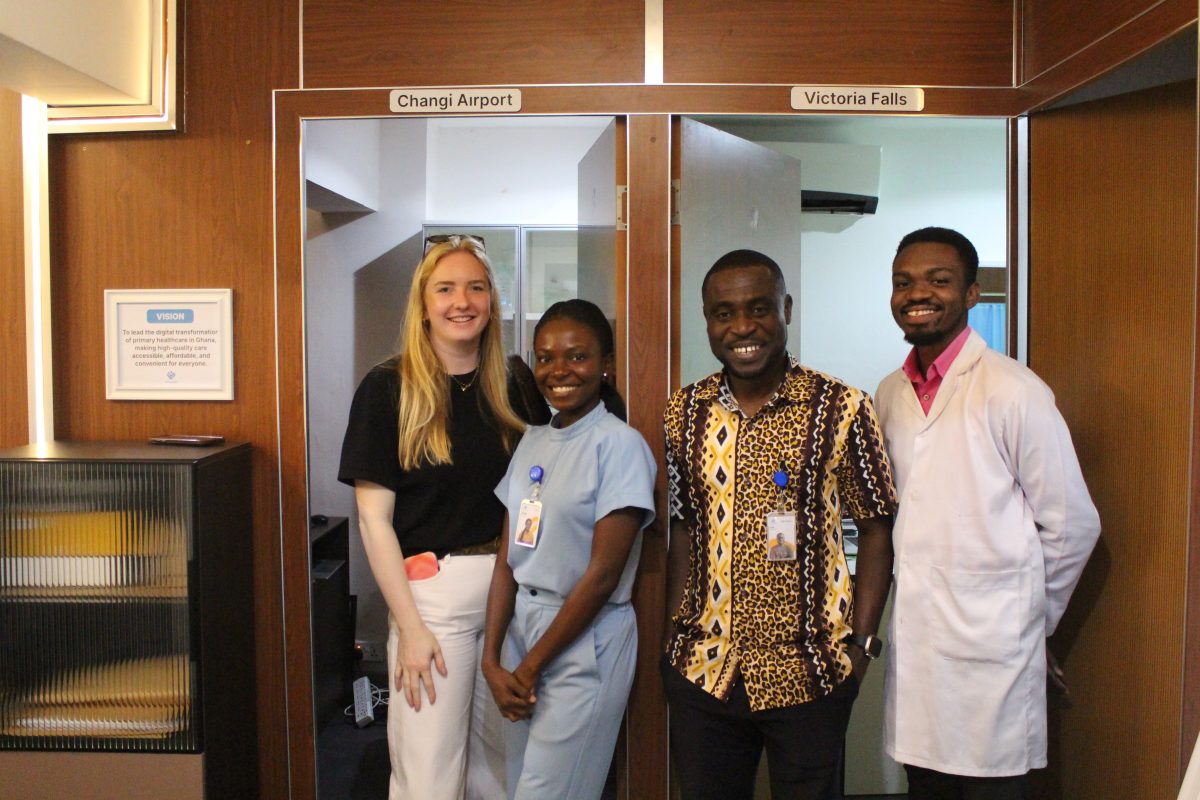
Vanessa Ennen visiting a Riva Clinic
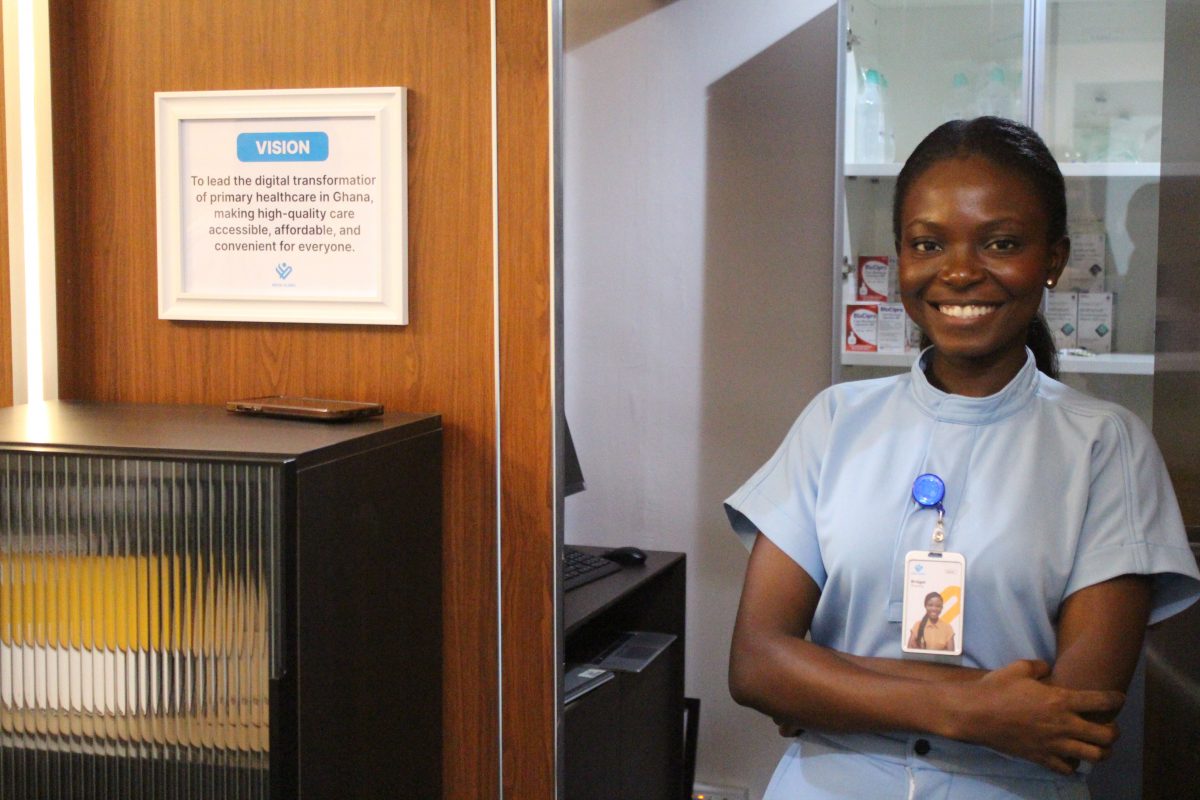
Pure & Just
Pure & Just processes tropical fruits – particularly mango and pineapple – using a climate-friendly drying process. Founder Yvette Tetteh built the company out of a converted garage; today there is a dedicated production facility in Nsawam with over 100 employees who earn above the poverty line. The fruit snacks are marketed primarily in Germany and the Netherlands.
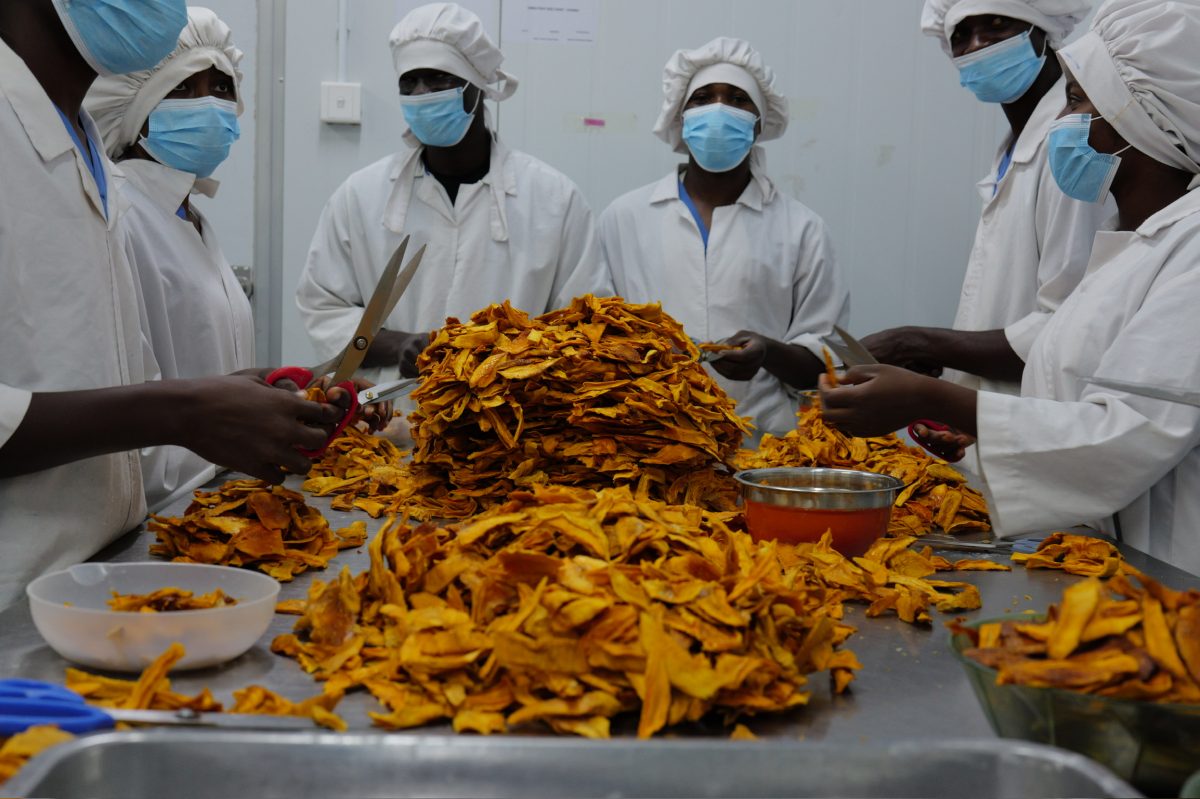
Pure & Just Factory
The hall, stacked with fruit from the Ivory Coast and other West African countries, is currently bursting at the seams. Yvette and her co-founder Emmanuel want to move into a larger facility through an investment, in which they will generate their own energy from the biomass produced. So far, the operation has been dependent on the unstable public power supply and a generator – which had to kick in twice during our visit alone.
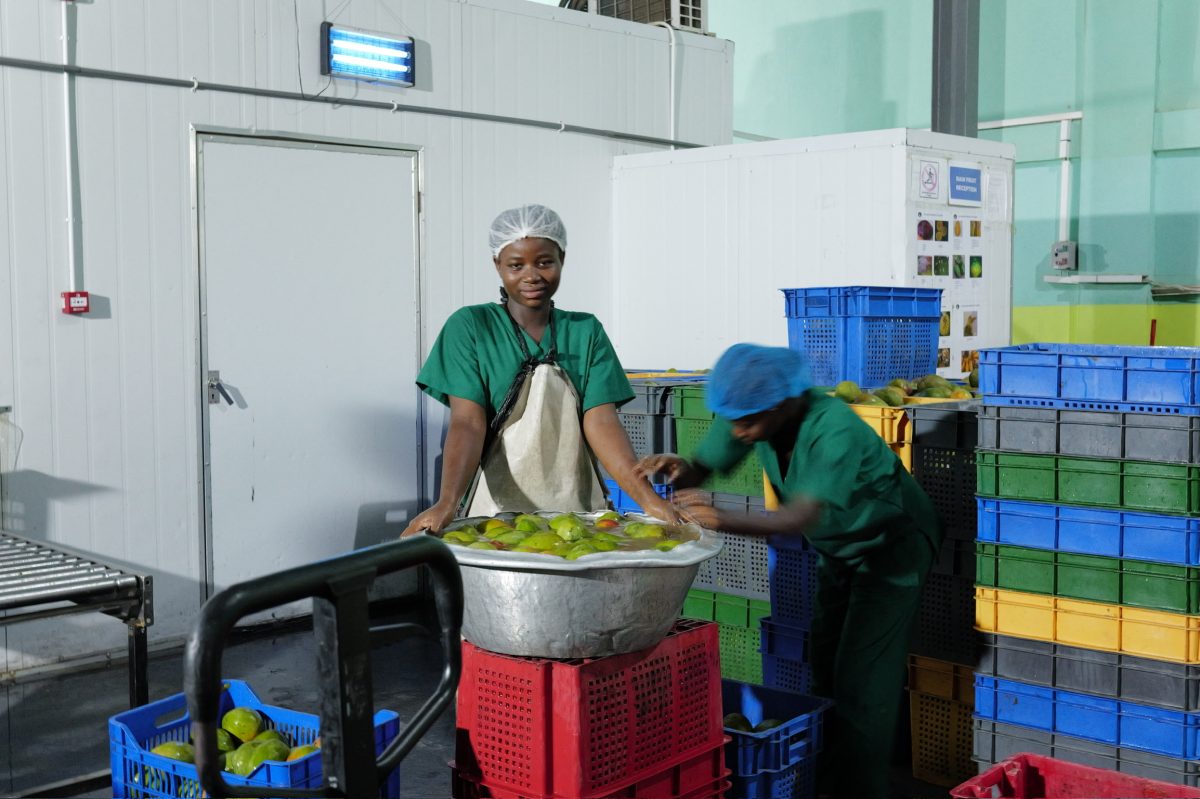
The company has been through difficult times: grants promised by USAID, which had been firmly planned for, were only paid out at half value due to the cuts under Donald Trump. For a company that had built up deliveries based on this, such a cut can quickly become a death sentence. Pure & Just managed to turn things around – but the episode shows how far the consequences of such political actions can reach.
SAYeTECH
SAYeTECH develops agricultural hardware for smallholder farmers – threshers, dryers, cocoa pod breakers. Over 180 devices are in use, and more than 17,000 farmers in Ghana and Nigeria use them. Founder Theodore Ohene-Botchway is an engineer and has already won a number of awards with the machines.
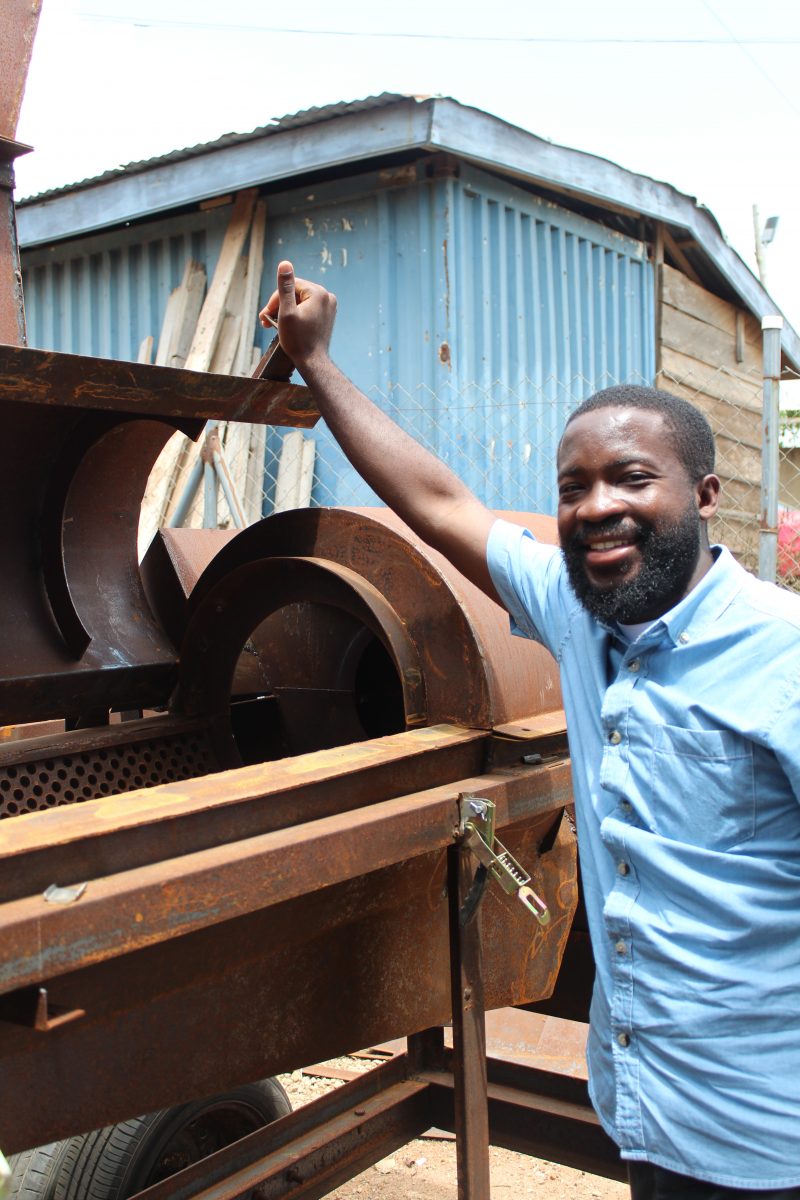
Sayetech Founder Theodore Botcheway
Smallholder and subsistence farmers in the region still largely work by hand. According to the company, the SAYeTECH thresher can serve around 100 farmers per season and completes two weeks of manual work in two hours. In addition, the team is developing an IoT system for additional operational data. We see the market advantage in two places: SAYeTECH handles maintenance itself and has direct access to smallholder structures – something that Chinese importers or Western agricultural machinery manufacturers often lack. We see the potential not only to mechanise agriculture in the region, but to industrialise it in the medium term. The company is promising, but still at an early stage.
Observations on the Market Environment
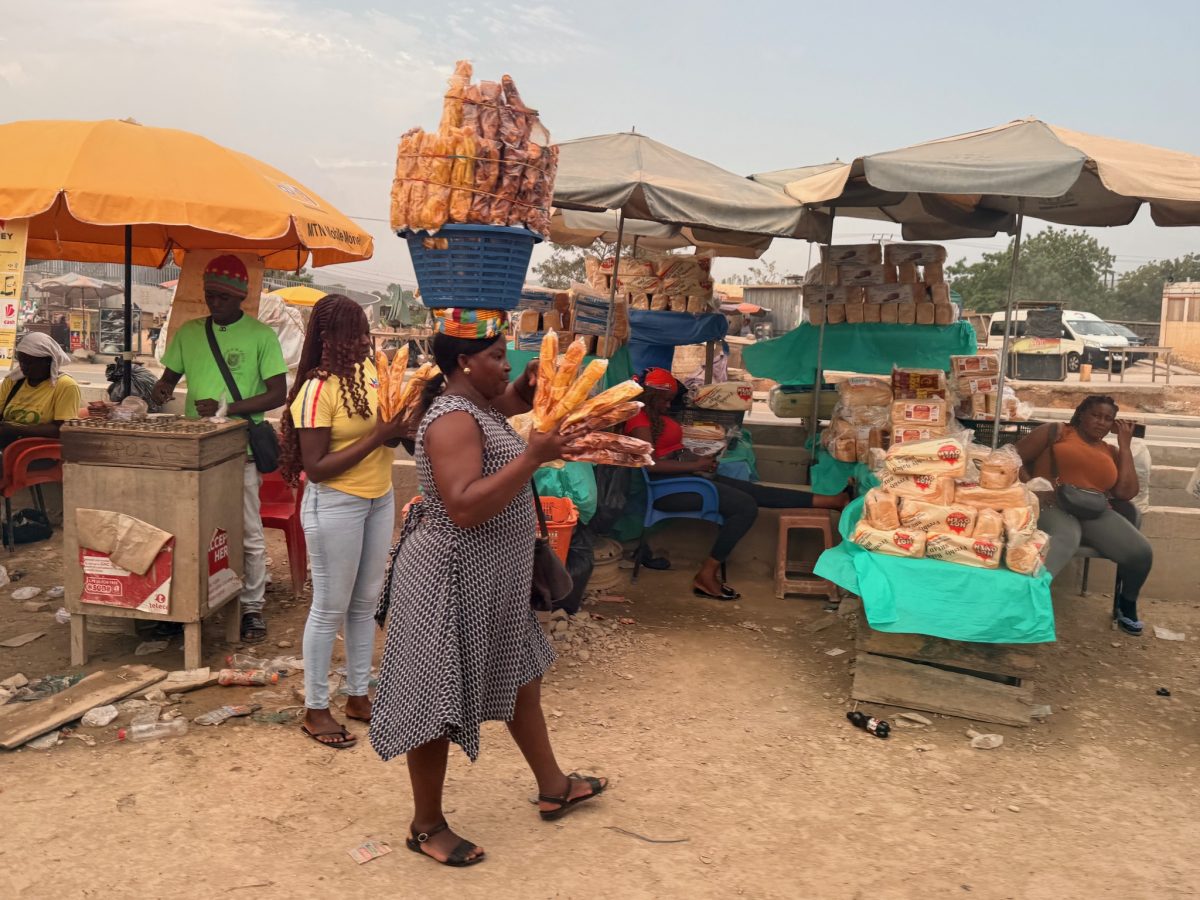
Accra City
A highlight of this trip was the meeting with German ambassador Frederik Landshöft. He gave us a detailed overview of the political and economic situation and Ghana’s recent history. Particularly remarkable: inflation has fallen from around 23 to around 3 percent within a year – one of the fastest stabilisations worldwide. In our conversations, a new planning horizon among the founders was clearly noticeable.
At the same time, the market continues to be marked by stark contrasts: a large informal economy, patchy infrastructure and public services in many regions. Entrepreneurs often build not only a business, but also parts of their surroundings along with it – power, training, supply chains.
The tone of the conversations has also changed: founders are looking less for pure financiers and more for partners with market knowledge, networks and patience.
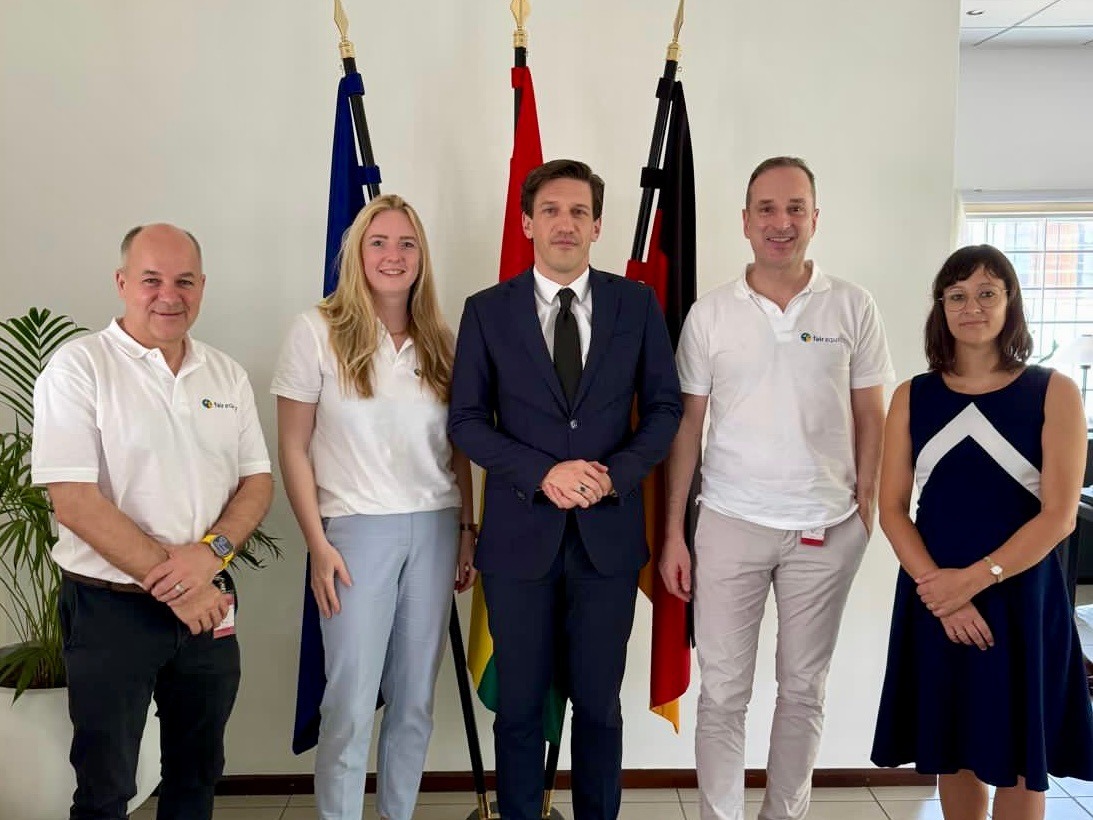
Bert Mutsaers, Vanessa Ennen and Karsten Wulf visiting ambassador Frederik Landshöft in Ghana
Outlook
fair equity plans to complete four further investments by the end of 2026. The pipeline from the conversations on this trip will be moved into due diligence in the coming months. In 2027 we will expand our engagement: the next project trip will take us to Kenya.