

Investments:
Skin Care you can eat
Funded by fair equity: 2026
SKIN GOURMET produces handmade, 100% natural skincare products from locally sourced raw materials in Ghana.

THE PROBLEM
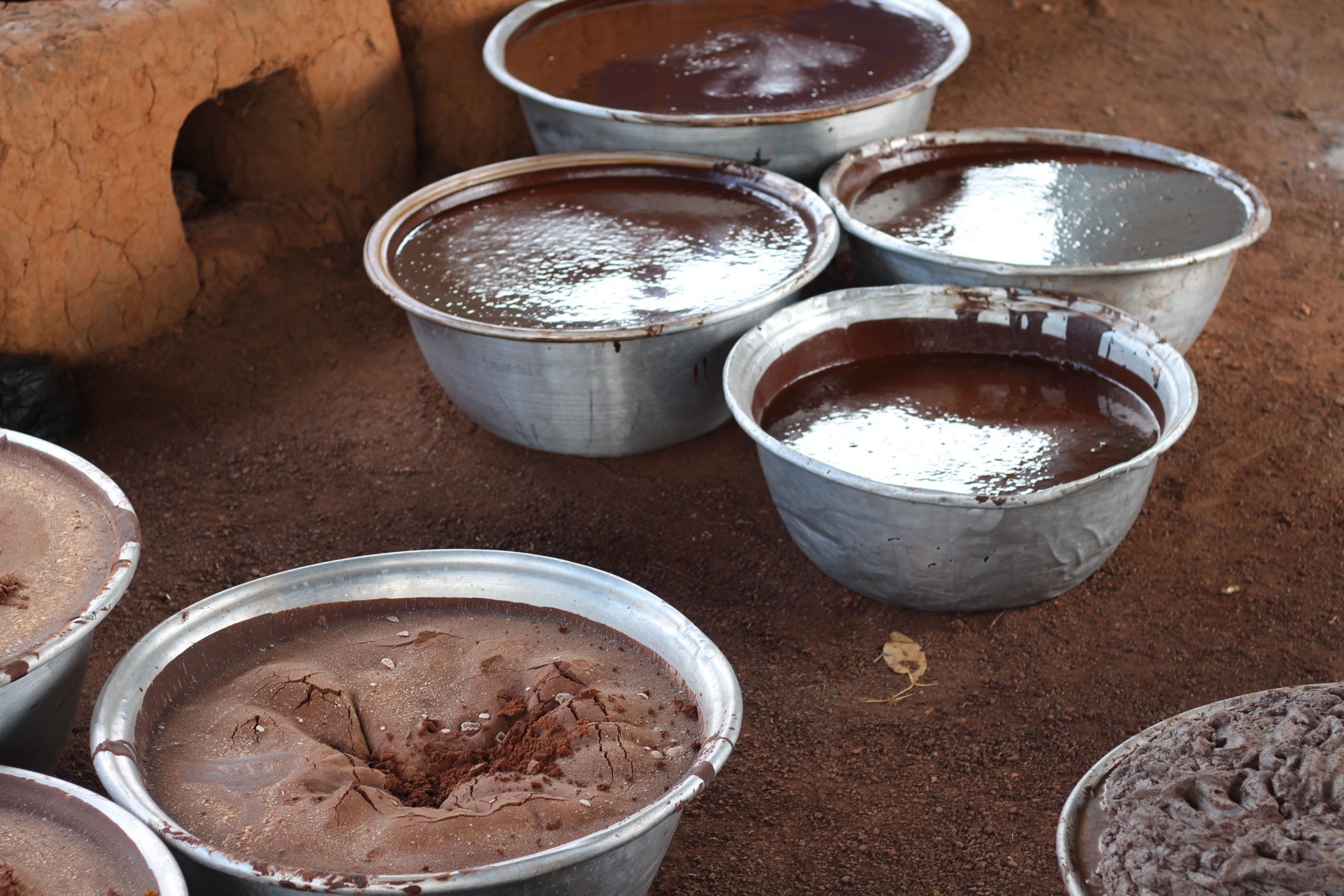
African raw materials such as shea butter—often referred to as “white gold”—are key inputs in the global cosmetics and food industries. Yet local producers benefit only marginally from this value. A large share of these raw materials is exported unprocessed, while processing, branding, and profits are generated abroad. The value chain is heavily shaped by intermediaries, and many small-scale producers lack access to certifications and international markets.
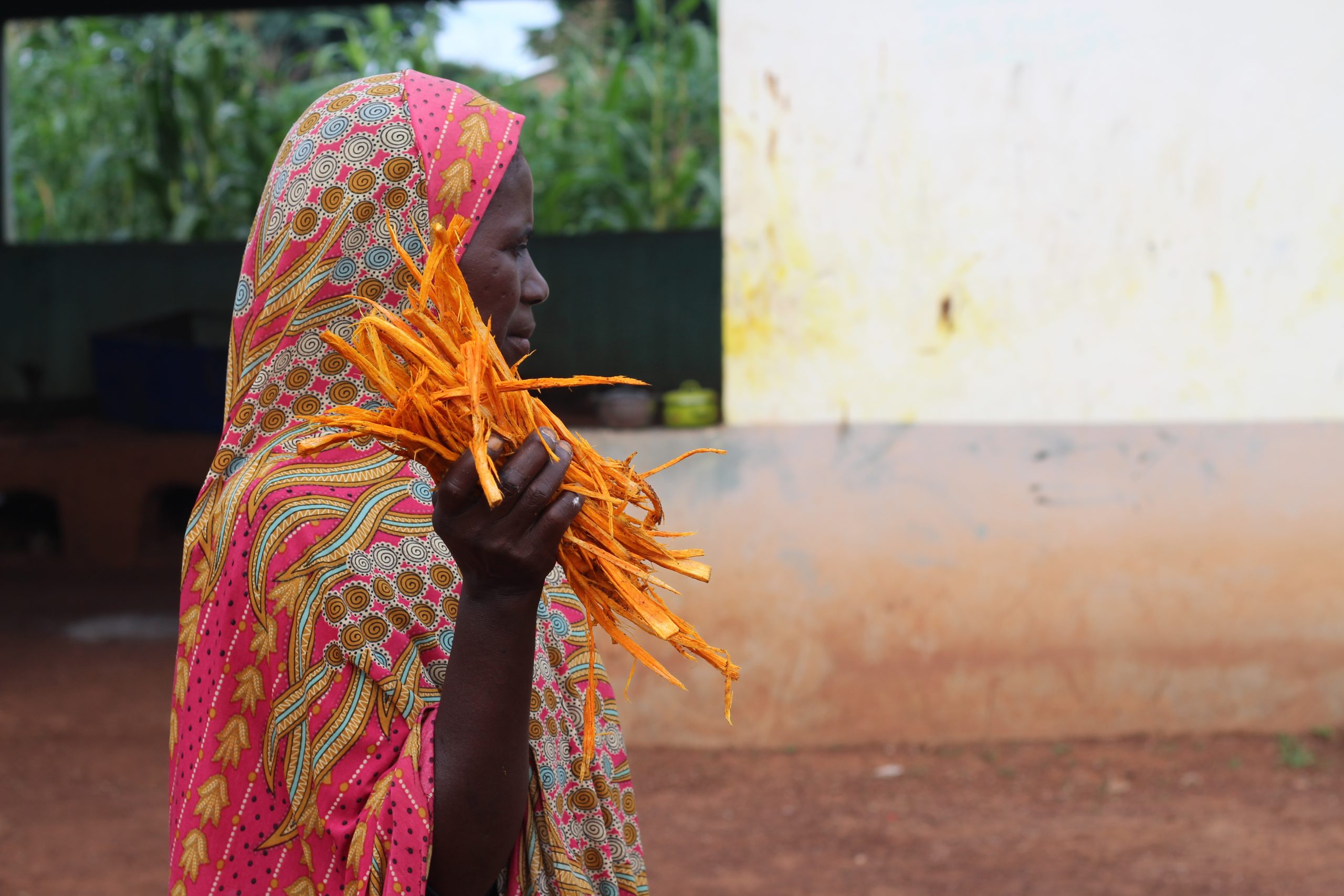
Women in rural areas are particularly affected, as they carry out a large share of shea butter production. Despite their physically demanding work, their incomes remain low and unstable. Structural inequalities and a lack of industrial infrastructure prevent local communities from achieving meaningful economic advancement.
At the same time, the global cosmetics industry is characterized by a lack of transparency and the widespread use of synthetic ingredients. Many products contain chemical additives, while consumers have little insight into where ingredients come from or under what conditions they are produced. The result is environmental harm and persistent social inequalities.
This creates a systemic problem: Africa supplies the raw materials but captures little of the value—while global consumer markets continue to rely on opaque and often unsustainable supply chains.
THE SOLUTION
Skin Gourmet addresses this structural imbalance by deliberately building its value chain in Ghana. Instead of exporting raw materials, they are processed locally and marketed as high-quality, international skincare products. This ensures that a greater share of the economic value remains in the country and directly benefits the people involved in production.
Founded by Violet Amoabeng, the company is driven by the vision of creating a fair and transparent alternative to the conventional cosmetics industry. Her motivation stems from firsthand exposure to social inequality in Ghana—and a desire to create economic opportunities for women.
Skin Gourmet produces over 55 skincare products made from 100% natural, edible ingredients—free from preservatives and synthetic additives. All raw materials are sourced and processed in Ghana, resulting in a fully traceable supply chain. The brand stands for radical transparency and offers a conscious alternative to industrial cosmetics.
Today, the company employs around 28 people, approximately 70% of whom are women. In addition, Skin Gourmet works with cooperatives, including a shea butter cooperative in Tamale in northern Ghana, enabling more than 130 women to earn a more stable income.
With the development of its own factory in Tamale, production is being further professionalized and prepared for certification. The goal is to sustainably transform the entire value chain and create a scalable model for local value creation.
Skin Gourmet demonstrates how entrepreneurial solutions can go beyond products to address structural inequalities—through job creation, empowerment, and meaningful economic participation on the ground.
Smallholder Farmers
%
Female-Founder Quota
direct jobs